The Picklin Parson
Rev. Dr. Stanley Reagan Copeland
A Message from Pastor Stan
Friends,
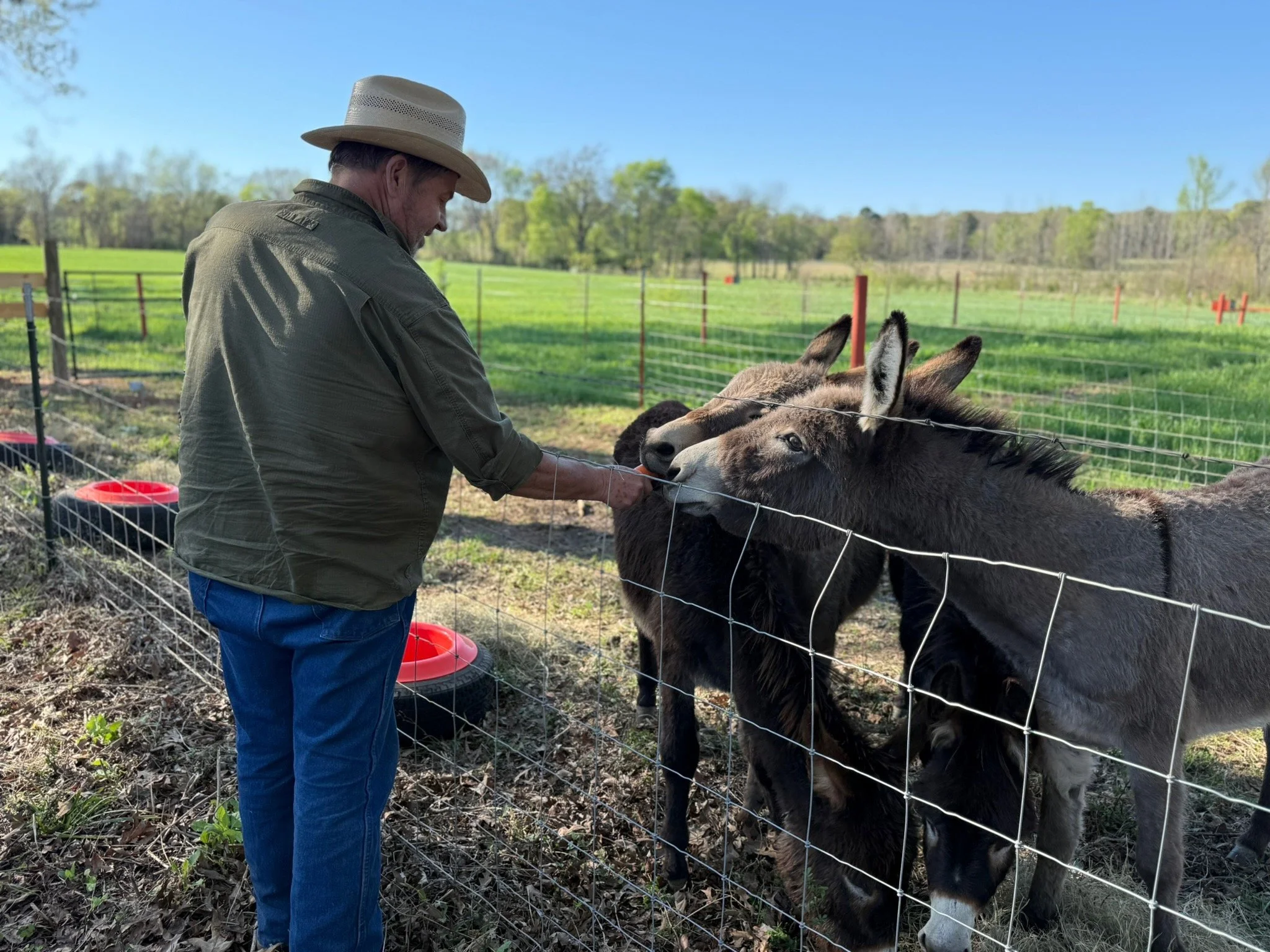
I have been called a good many things in my life—some earned, some borrowed, and a few I had to grow into. But “Picklin’ Parson”… that one found me before I ever thought to claim it.
A friend of mine, Mark Holubec, as I remember, first spoke the name one day as easy as breathing, and it settled on me like a well-worn hat. I’ve learned since that the truest names aren’t chosen—they’re recognized. They name what’s already been quietly taking shape.
On paper, I am the Rev. Dr. Stanley Reagan Copeland, and thankfully most folks shorten that to Stan. Children, who tend to speak a clearer kind of truth, once called me Pastor Stan. But these days, more and more, I answer to Picklin’ Parson, and I reckon that name tells on me more than the others.
I spent the better part of forty years in ministry, twenty-seven of those serving as lead pastor at Lovers Lane United Methodist Church in Dallas. It’s a large place, full of good people from all walks of life, and it taught me plenty about the wideness of God’s table. Still, for all those years in the city, I never quite left the red dirt of East Texas behind. It clung to me in ways I’ve come to be grateful for. You can take a boy out of the country, but the country keeps a claim on him.
Somewhere along the way, what started as watching my grandparents putting up food and then for fun, picklin’ and cannin’ with my Mom became a passion. Pickling, canning, preserving what the land offered—became something more for me. The Picklin’ Parson didn’t just name me, but it helped give shape to the telling of the story. The same friend whom I credit with naming me, also designed the logo and established a brand. It shows up in jars filled with vegetables, jams, jellies, chutneys, and preserves—each one a small testimony to careful work and good ingredients. It shows up in cookbooks, where the recipes are only part of the story, and the rest is told in the telling. It shows up in gatherings—children learning in Jammin’ & Jellin’ camps, adults rediscovering old ways in Picklin’ & Cannin’ workshops.
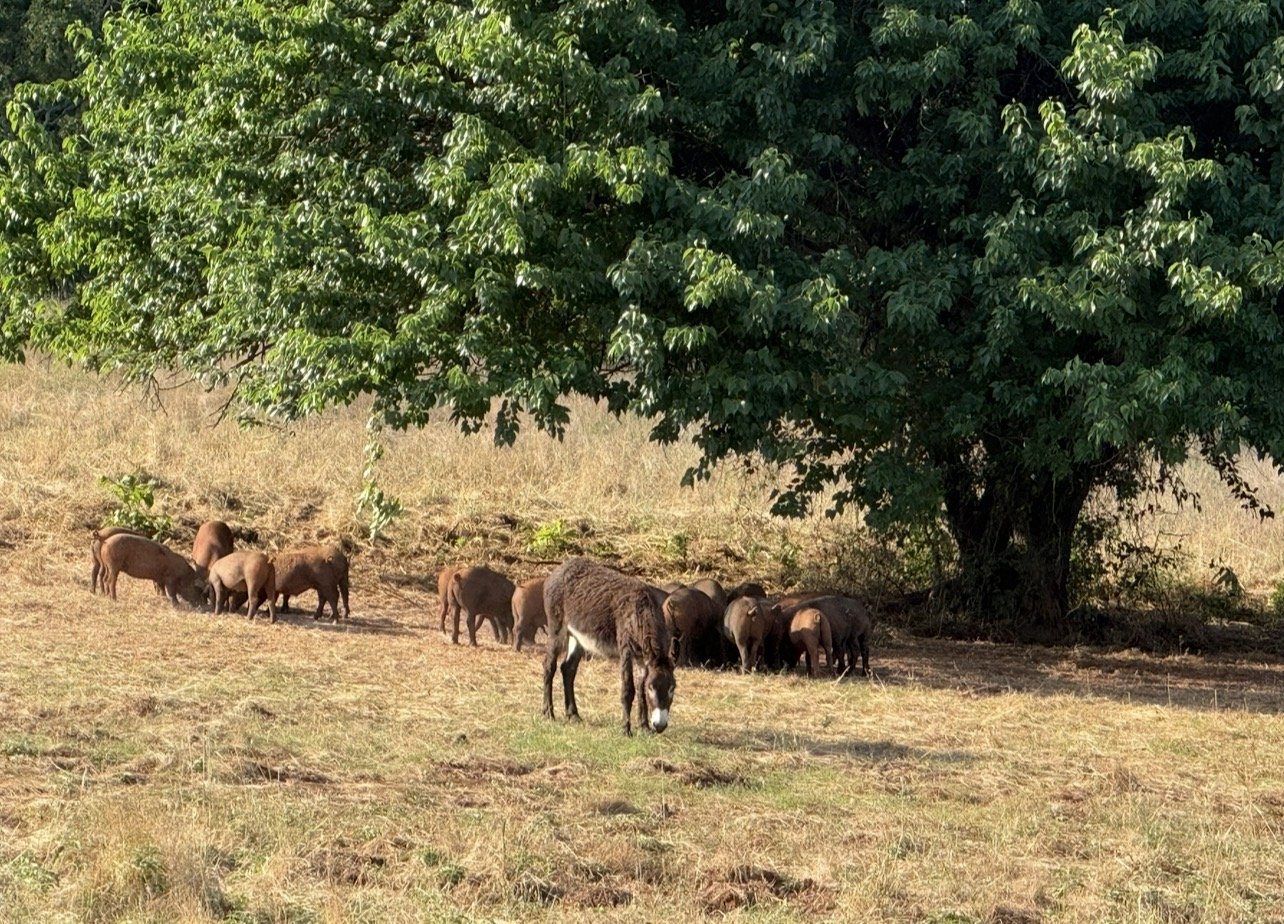
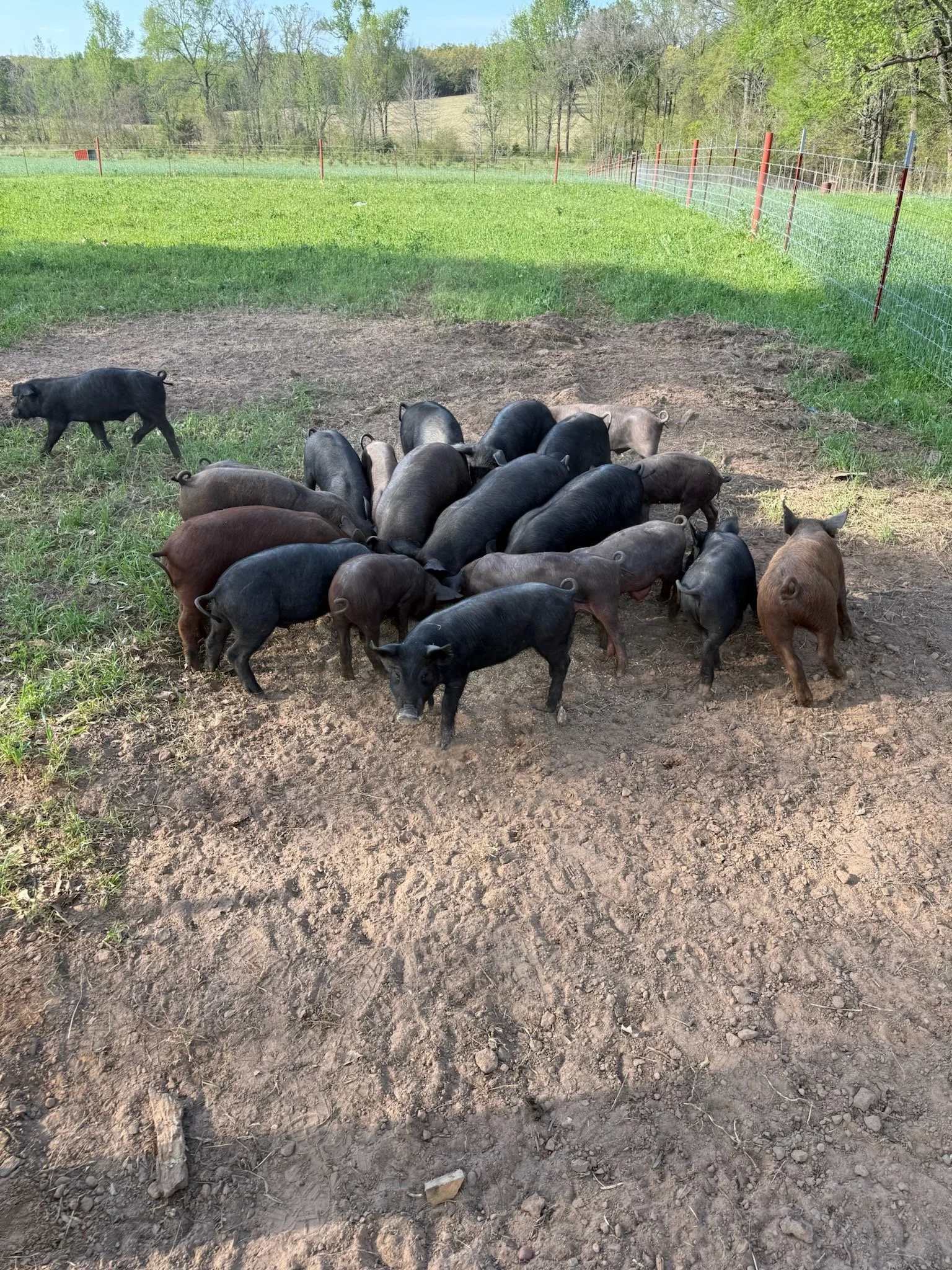
Ibérico by breed, Spanish by heritage
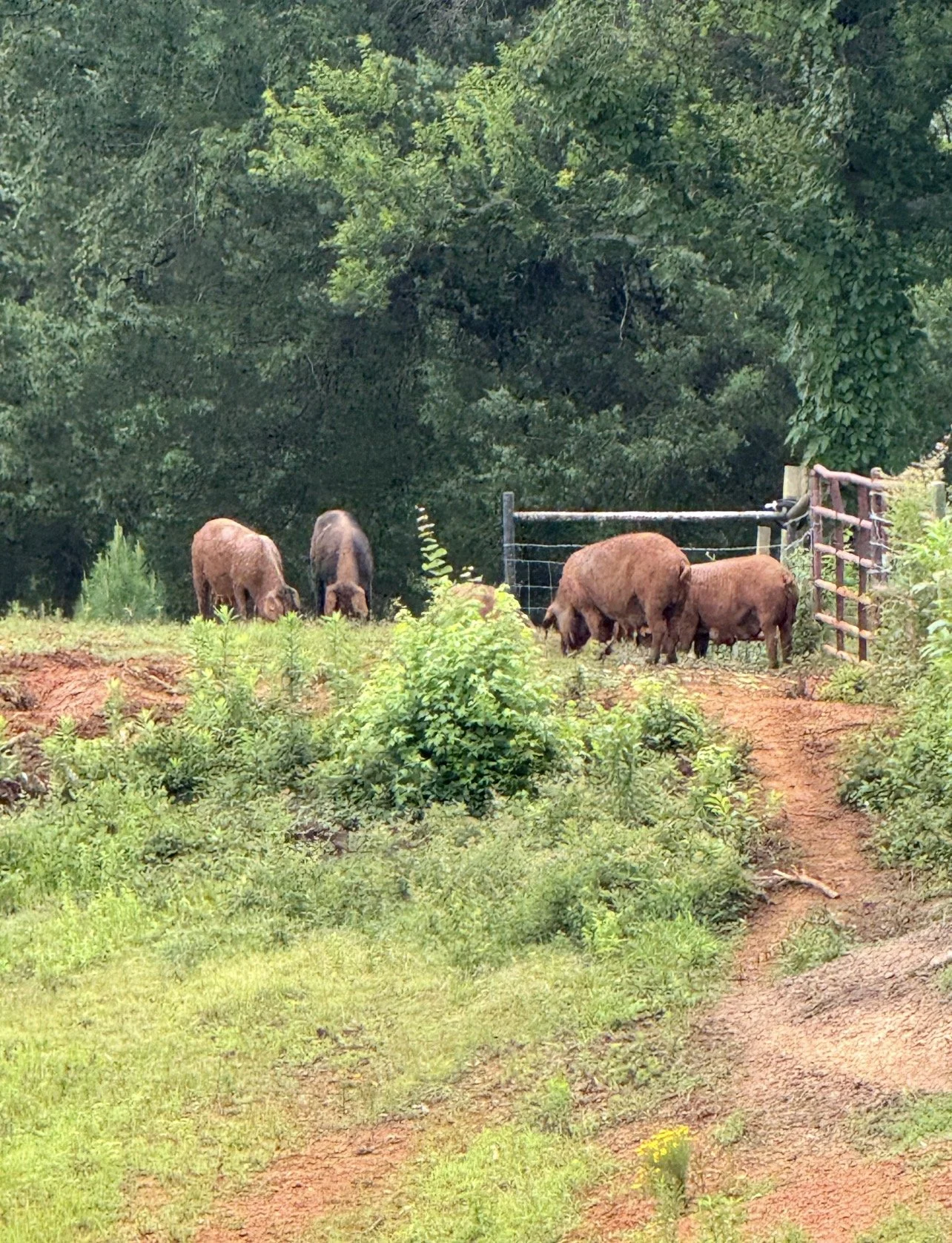
Now there are the pigs, and they answer mostly to the rhythms of the land.
They roam pasture and woods, feeding on grass, clovers, acorns, and fallen pecans, the way hogs were meant to live. There’s a rightness to that, if you pay attention and much more will be said about these partners in regenerating the land.
When I step back and look at it all—the land, the jars, the stories, the people, the pigs—I don’t see a brand so much as a way of living. One that leans away from the idea that we’re meant to go it alone.
I’ve come to understand that food isn’t just something to produce or sell—it’s something to share. So we’ve tried to meet food insecurity not as a problem to solve, but as neighbors to love. A non-profit also carries the name Picklin’ With Purpose. Our Board, financial supporters and friends, work together through what we call a dignity model food distribution.
We invite folks to take part in their own provision through being members of the Picklin’ Parson Food Club—where a little money ($5) buys a full bag of good food ($30 worth), and no one is made to feel less for needing it. Food insecurity is real and our approach to tackle it is highly effective. The Picklin’ Parson Food Club in East Texas is a model we plan to replicate in other communities. All products sold with the Picklin’ Parson brand goes to fund our outreach.
The Stillwater Way
All in all, what we’re after isn’t self-sufficiency, at least not the rugged kind folks like to talk about.
It’s something older and, I believe, truer—others-sufficiency. The notion that having enough only means something if you’re willing to share it. That community is not an idea, but a practice.
So if you find your way to us—through a jar, a story, a meal, a search for the best grown and flavorful pork in these parts—know that you’re welcome, all are welcome. All of this is me, but not mine, really. It’s something the land has been naming and teaching all along. And I, for one, can put my name on this good work that finds its epicenter in a farm named Stillwater.