We move at the speed of the seasons.
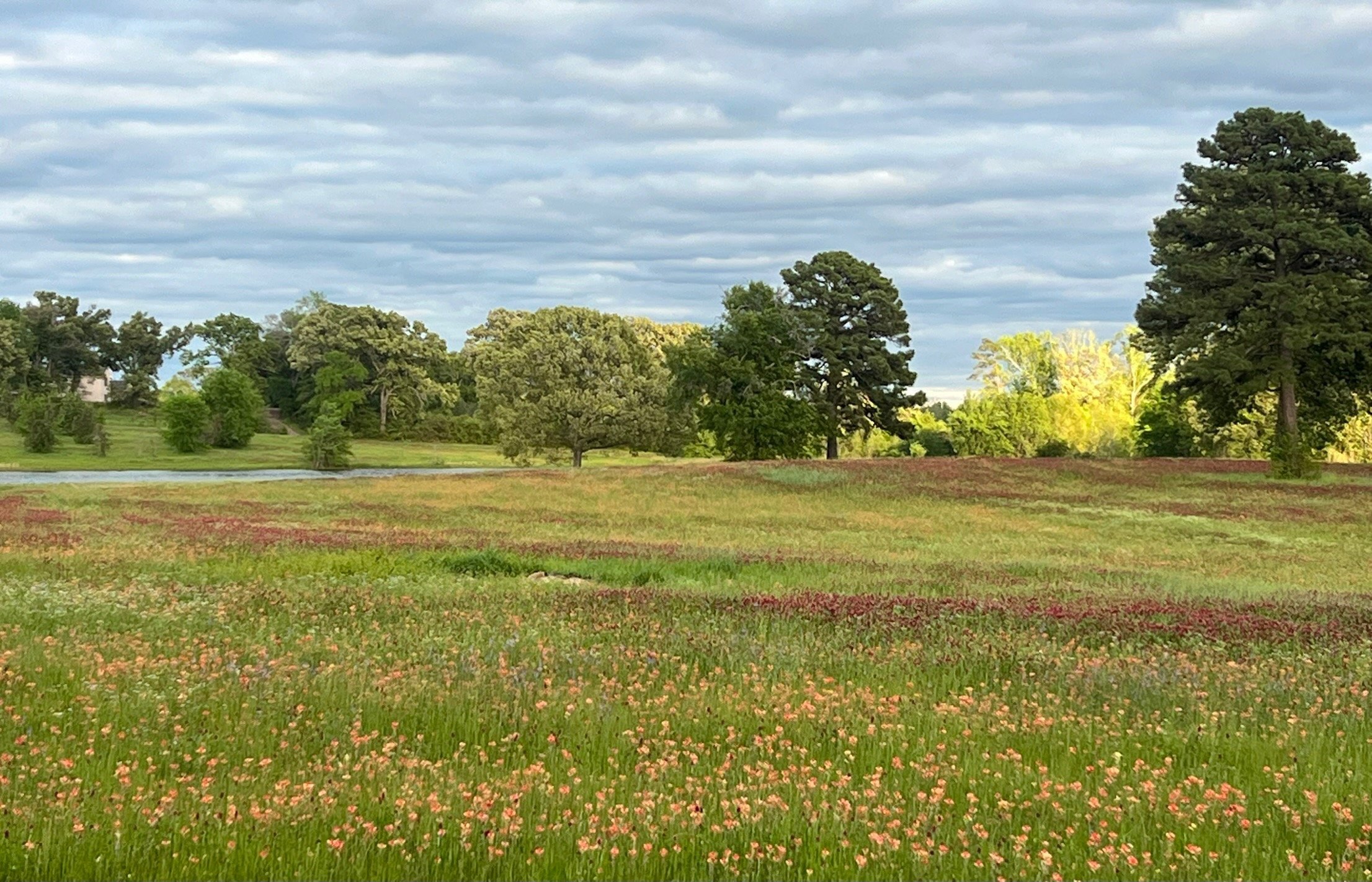
Our way begins with the land. We grow pastures the old way—grasses and legumes working together, fresh grains in their time, and woods left honest enough to provide what they will: acorns, worms, insects, all the small life that makes larger life possible. And when the season turns toward finishing, our pigs move through a pecan orchard—three hundred trees strong—where papershell pecans fall like a final blessing to complement what the wild has already given.
Our way continues with the pigs themselves. They are not units to be managed, but lives to be tended. They are called by name, spoken to daily, and given the freedom to roam and root as they were made to do. There are no shortened noses here, no small enclosures that forget what a pig is meant to be. They live out their days in pasture and woods, under sun and shade, in the company of earth and air.
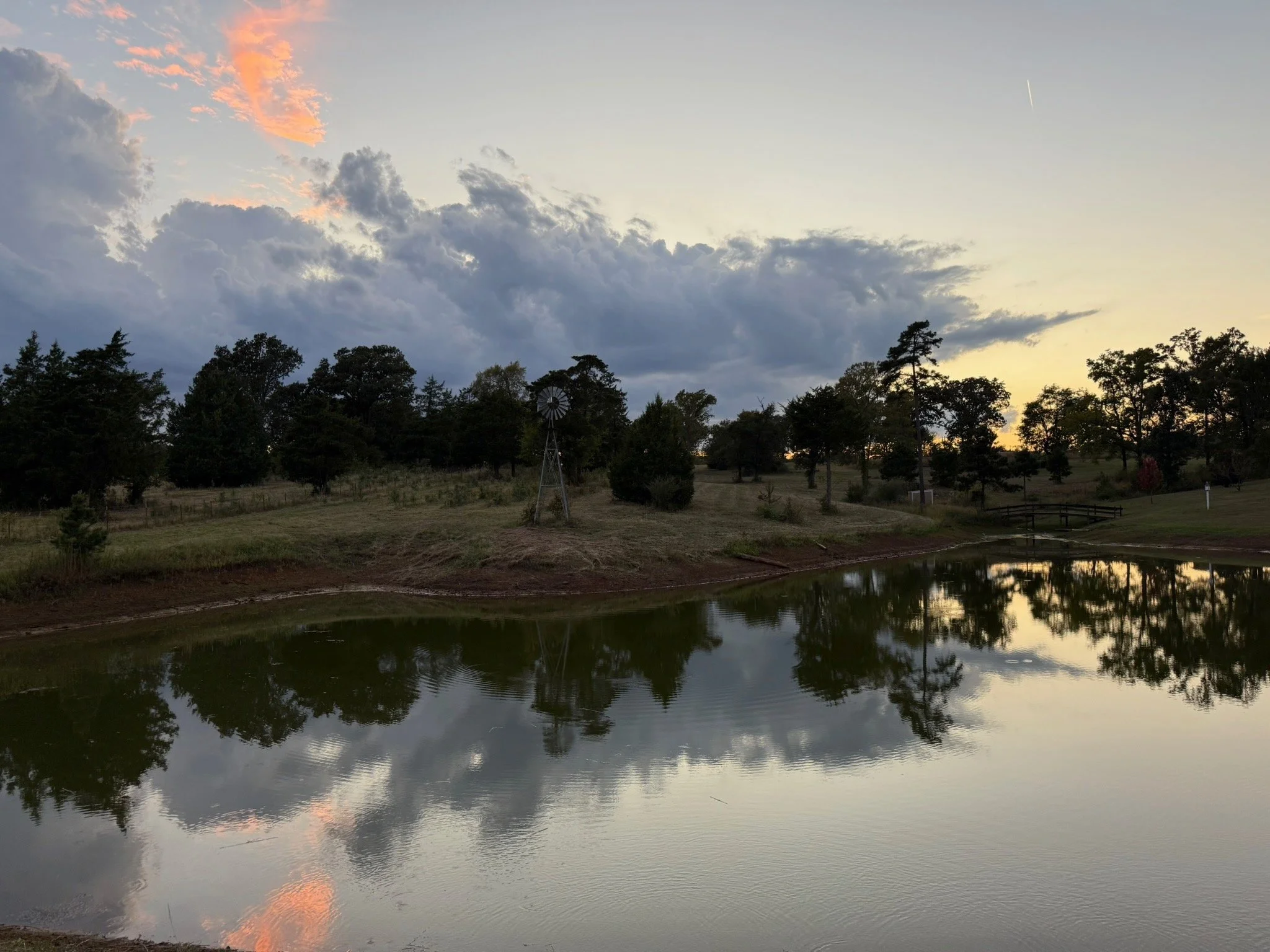
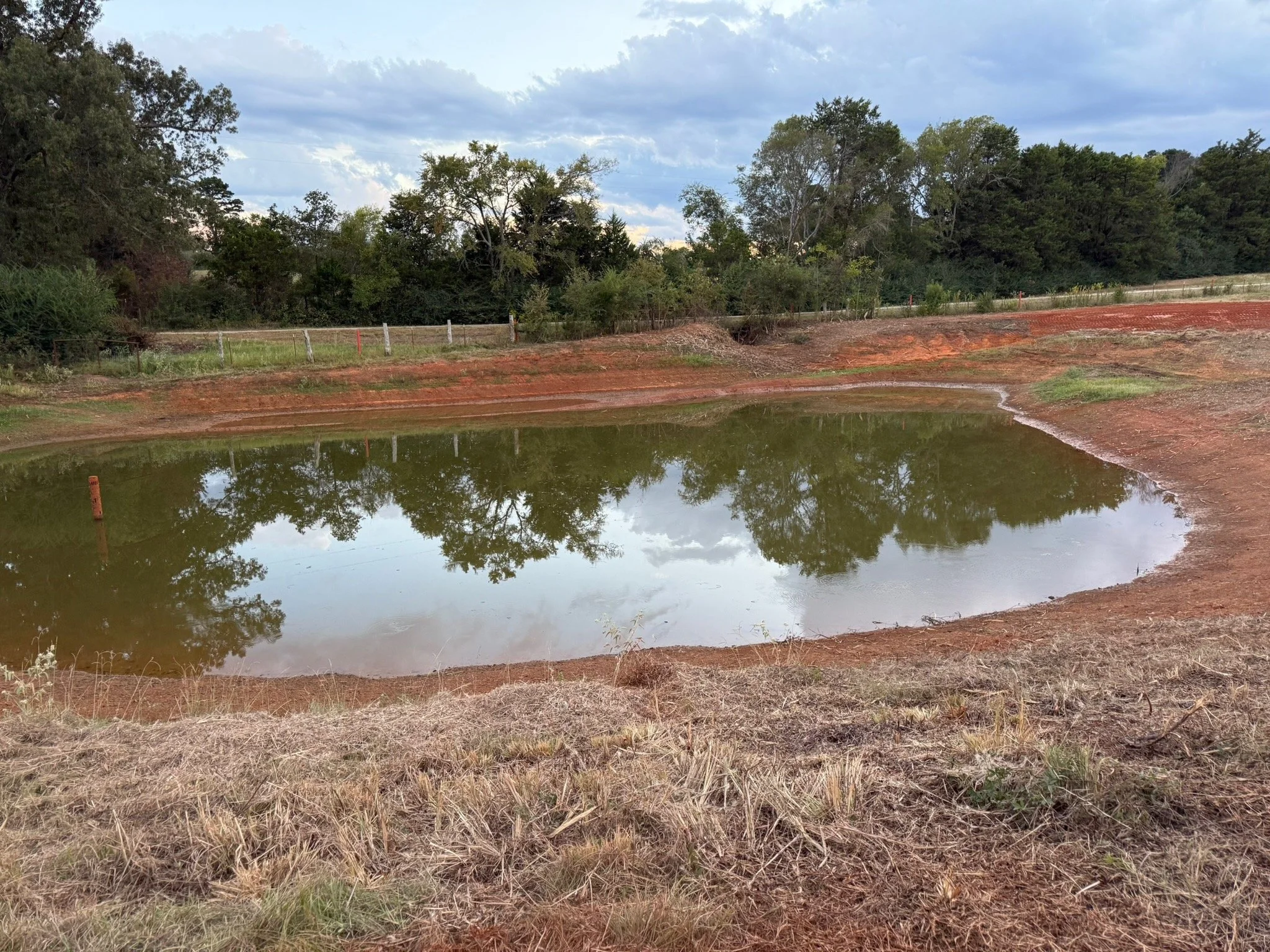
Our way makes room for comfort, too. We keep water close—not just for drinking, but for living well. Drawn from deep in the earth, cool and clear from a 300-foot well, it fills the wallows across the farm: Hillside Pasture Pond, Hog Heaven, Shady Westside Woods, Homeplace Pasture, and Creekbank Eastside Woods. In every pasture, there is a place to wallow—a place for rest, for cooling, for the simple dignity of being cared for in the heat of a Texas summer.
At Stillwater Farm we choose differently.
We choose pasture over confinement, because no creature was made to live its entire life pressed against steel and sleeping on concrete.
We choose green grass and living soil over heavily processed feed, trusting that life begins in sunlight long before it is ever bagged and sold.
We choose to raise animals whose fat comes from good living—rich, balanced, and honest—rather than from systems that rush growth and diminish health.
We choose attentiveness over antibiotics, believing that health is something you build day by day, not something you repair in haste.
We choose to know the people who share in what we raise, and to be known by them in return.
And we choose to call our pigs by name, because a life—any life—is more than a number.All of this takes time. It costs more. It asks for patience in a world that has little use for it. But what it yields is something the market does not easily measure: food that carries with it the care of the land, the dignity of the animal, and the quiet assurance that it was raised in a way that honors both. That is our way. These are our choices. Not the easiest, but, we believe, the right ones.