Why a Farmacist?
I grew up in the small East Texas town of Chandler.
The connections to the rural culture and the land run deep here. They indeliblely and permanently seep into your soul.
Most of my ancestors practiced some form of agriculture, though not always as a sole means of family support. My father and grandfather were both pharmacists in our little town. My sister took up the pharmacy profession, but I was pulled in another direction. I was much more influenced by the minister at our local United Methodist Church than by my high school chemistry teacher. At age 16, that minister put me in the pulpit on the Sunday after Christmas. And I deliver the sermon that set me on a fifty year path as a preacher.
Ministry has been a wonderful and purposeful season of my life. In many ways it still is–I’ve just changed lanes–draw by the pull of the land and connected East Texas rural culture of my childhood. So, I’ve become a “Farmacist.”I have been asking myself, “How can I share this passion that seems so natural and purposeful?” Perhaps this SowShare Program, based on old family land (Stillwater Farm) in rural East Texas, is one way.
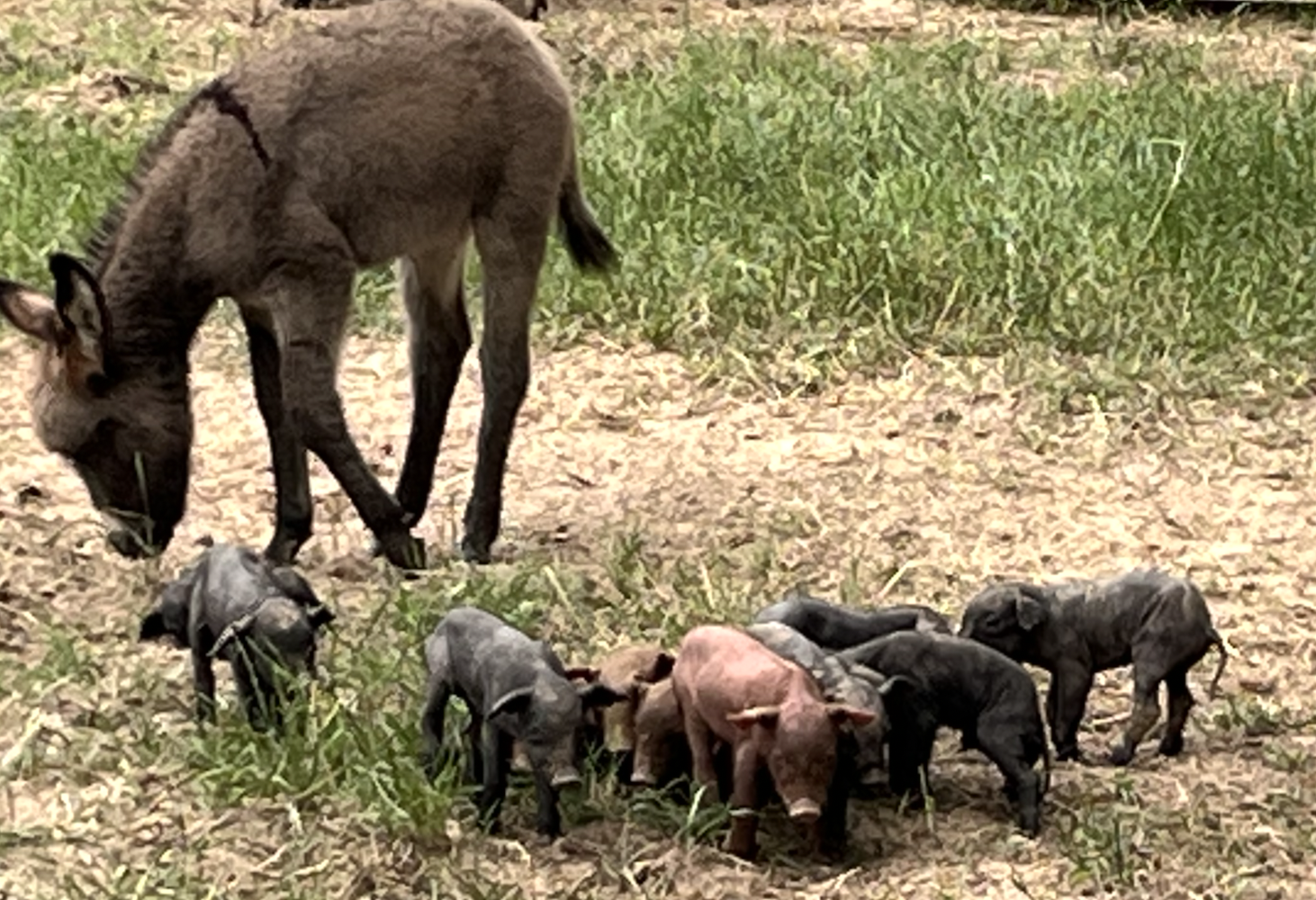
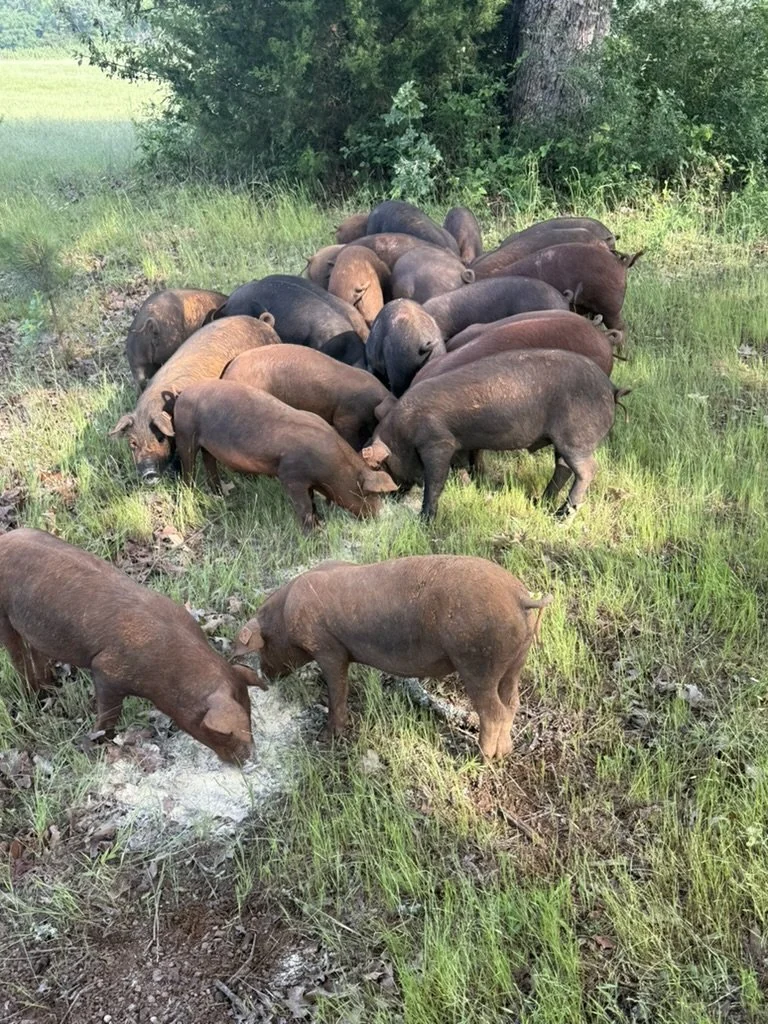
Growing More Than Pigs
Stillwater Farm is developing a profitable, regenerative farming operation centered on the raising of Iberico and Iberian Grazer pigs. This initiative integrates responsible land stewardship,humane animal husbandry, and premium food production to create a sustainable and economically viable agricultural model. Partners who believe in this eco-healthy approach to farming and food production are sought to participate as investors in making Stillwater Farm a replicable agricultural venture.
Companion Animals
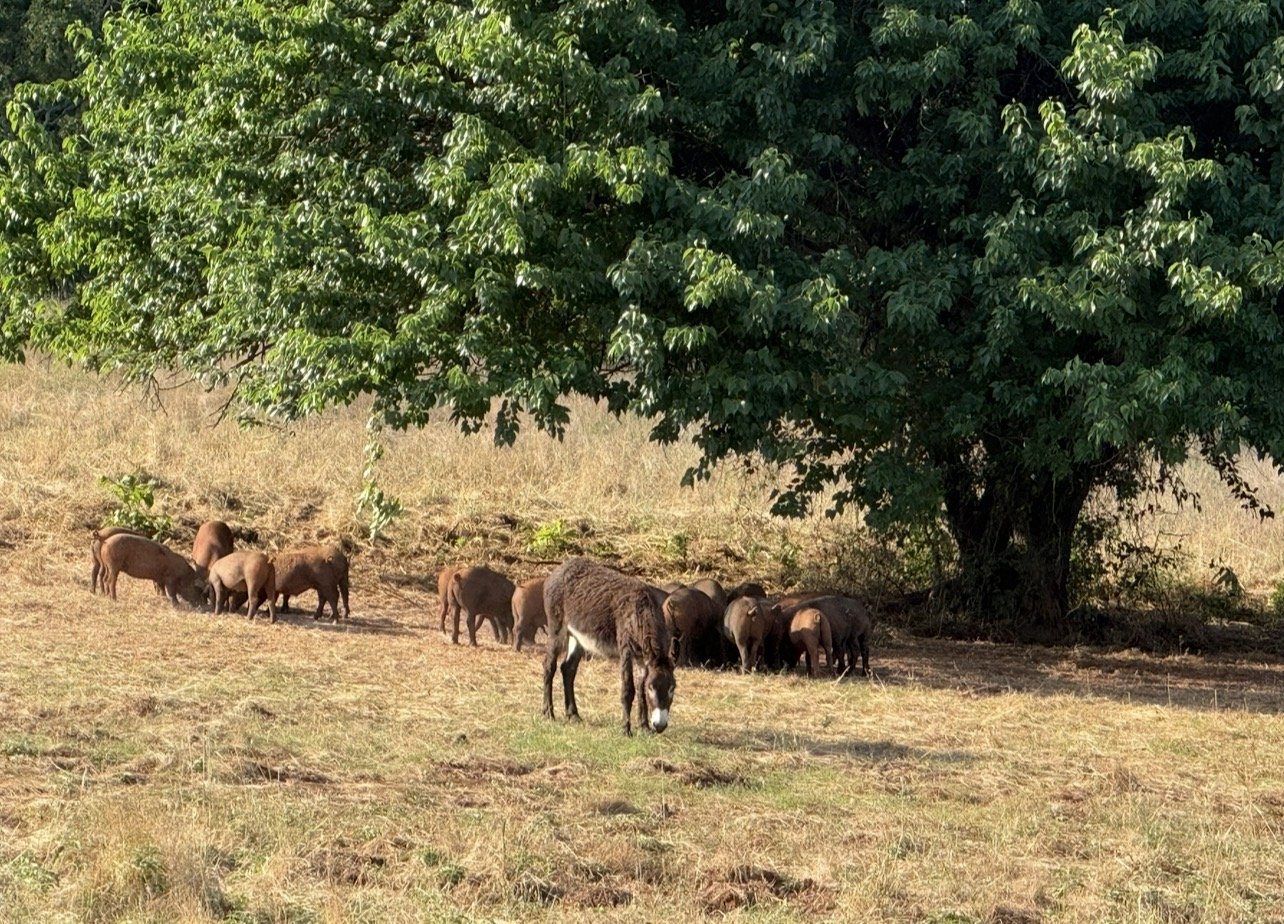
In addition to the pig operation, Stillwater Farm maintains a collection of companion and heritage animals—including donkeys, Texas Longhorn cattle, goats, andpoultry—primarily for educational, aesthetic, and personal enjoyment purposes. These animals contribute to the character and ecological diversity of the farm but are not primary revenue drivers. That’s Buck and the Parson - soil partners.
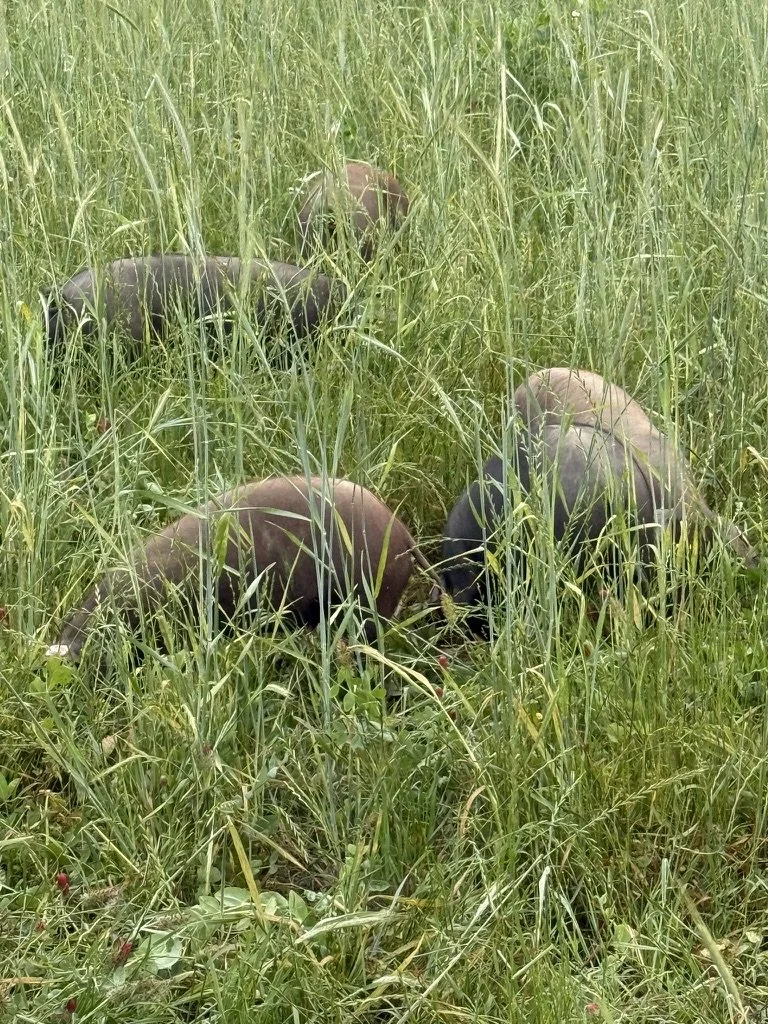
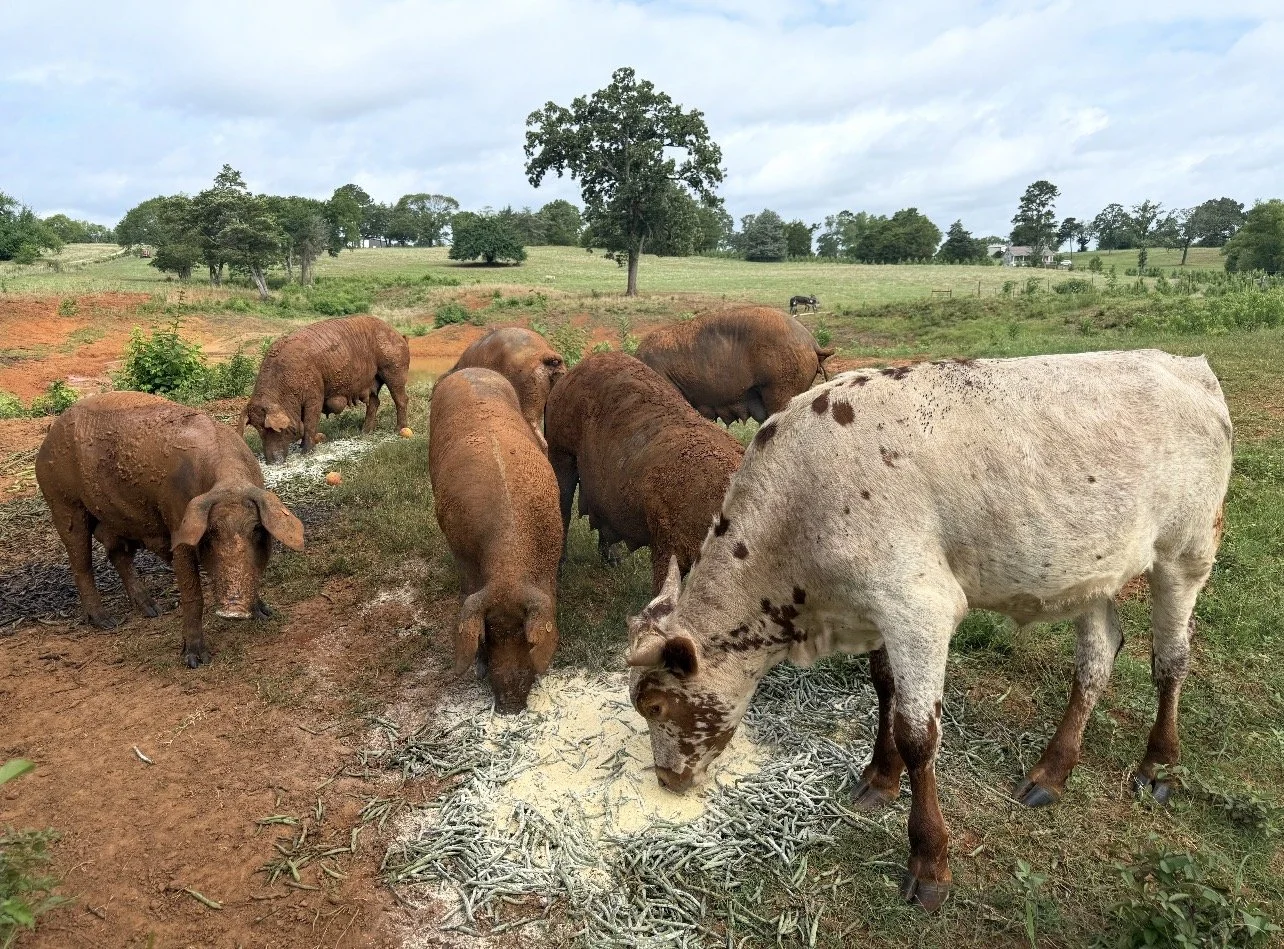
Why Iberico & Iberian Grazers
Why did we choose the Spanish heritage breed–the Iberico? pigs are a Spanish breed that is famous worldwide for its meat that makes for the world’s greatest prosciutto and is often referred to as the "Wagyu of Pork”. The name comes from its unique fat that is rich in oleic acid that is also primarily found in heart-healthy olive oil. To say the lard of this pig is heart-healthy is not an overstatement, it is the truth. No other animal has the same oleic rich fat as does this pig. The fat renders white and creamy and enhances the flavor of anything it accompanies incooking. The finest chefs in the world know these qualities as well as the deep redness of the meat and the rich flavor.
The Iberian Grazer breed was established with its Iberico base to maintain the beneficial genetics while leaning into the heterosis, which improves the litter sizes, time of development and muscle especially beneficial in the hams and shoulders. The Meishan has similar taste characteristics to Iberico and is known for large litters. Berkshire and Red Wattle pigs are known for their muscle composition and the flavor of the pork. This is a truly new Americano Breed with a Spanish heritage that gives this hybrid pig the diversity and vigor destined to make it an American pig breed masterpiece.
Why Sowshares?
Modern agriculture faces increasing challenges—economic pressures, industrial consolidation, environmental strain, and cultural disconnection from food systems. These forces have contributed to the fragmentation of relationships between land, farmer, animal, and consumer. Stillwater Farm believes a new model is required—one that restores connection, shared responsibility, and transparency in food production. This program represents this new paradigm. It creates a partnership model in which individuals participate directly in regenerative agriculture, sharing both in its yield and its values. This distributed ownership approach allows for broader participation while maintaining the operational integrity, scale, and stewardship of a professionally managed farm.
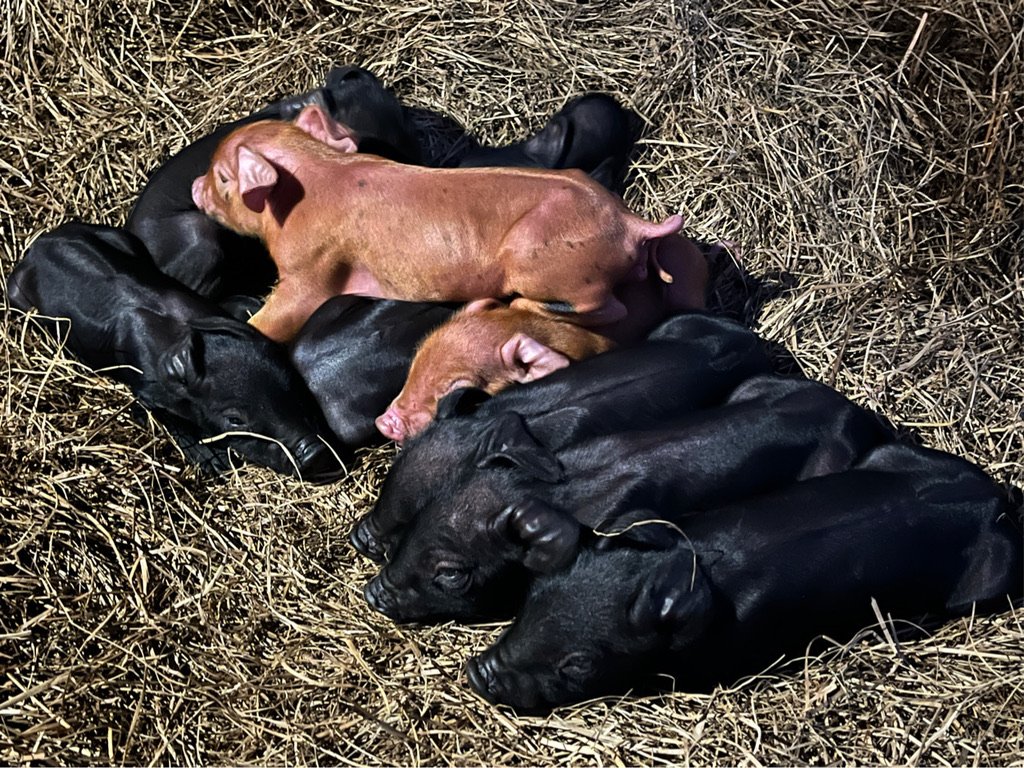
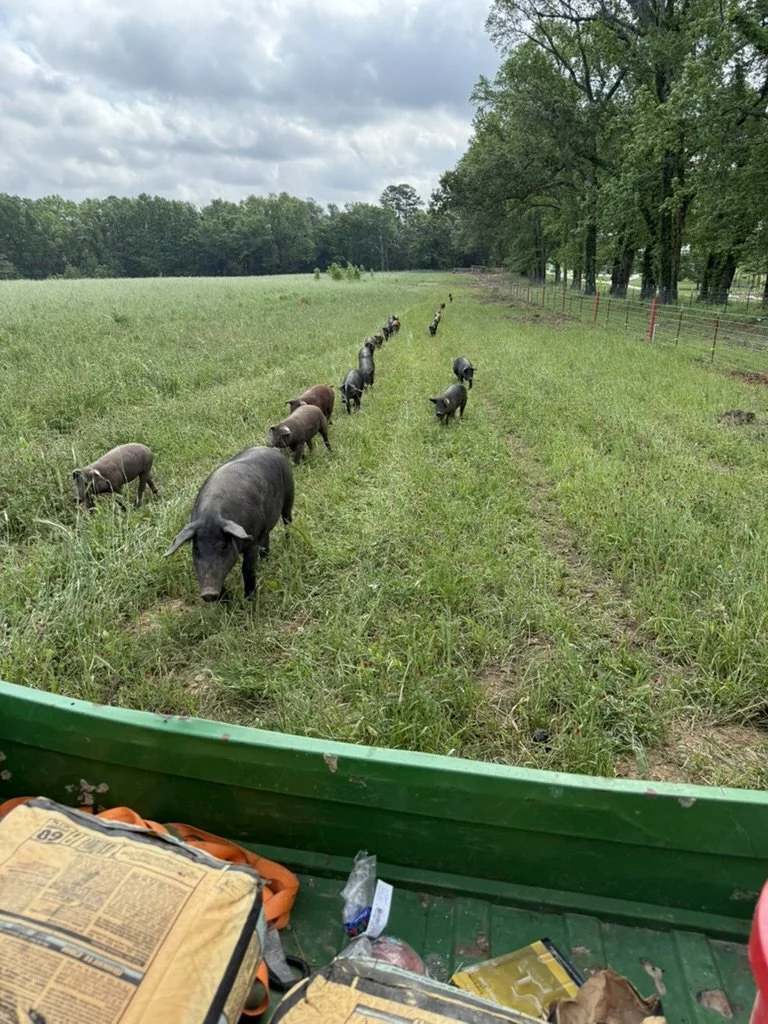
The Stillwater Farm Sowshare Program
A Sowshare is a co-ownership investment in a breeding sow at Stillwater Farm. Each sow is identified by name and number, representing a tangible agricultural asset within a regenerative farm system. The offspring of the sow is numbered and records kept on weight gain, health treatments, feeding regimen and pasture location in a farm records application called Farmkeep.
Investment Structure
Investment Amount: One-time payment of $7,500 for Iberico purebred, $6,500 Iberian Grazers, $6,000 Iberico hybrids.
Term: 24 months
Ownership Model: Co-ownership between the Sowshare Partner and Stillwater Farm
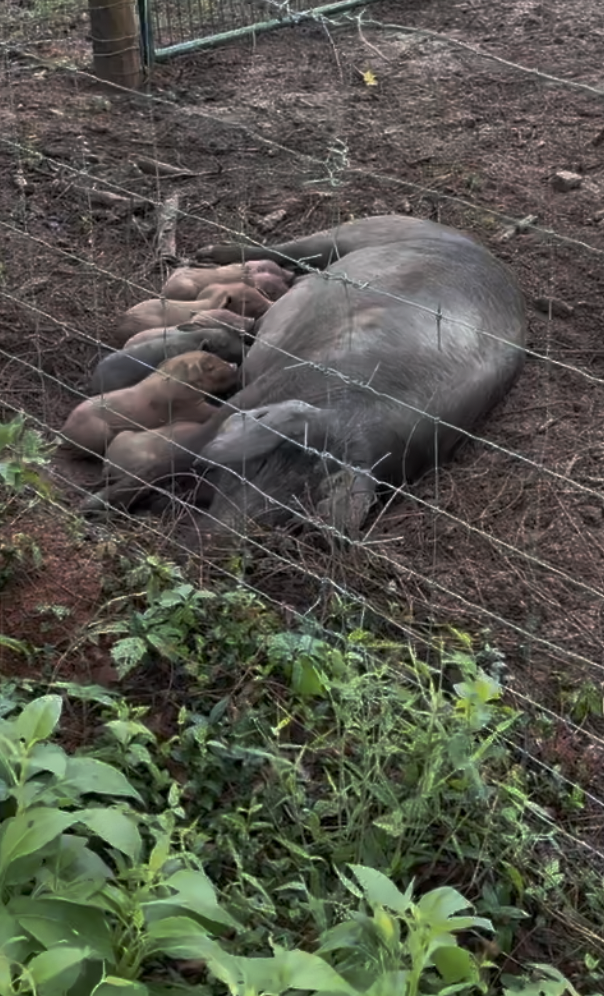
Stillwater Farm retains full responsibility for:
Animal care and husbandry
Feed and veterinary costs
Breeding management
Pasture rotation and environmental stewardship
Sowshare Partner Benefits
Annual Pork Allocation
A Sowshare partner receives the pork from a 250 lbs. pig, at the beginning of the contract, at the one year mark. and at the end of the 24 month of agreement.
There will be 140 lbs of premium Iberico pork from one of our freshly processed pigs delivered three times to the partners house during the 24 months of the agreement.
Estimated value: $12/lb. retail equivalent = $1,700 value annually
Litter Revenue Participation
Sowshare Partners receive:
One-third (1/4) of the net proceeds from the sale of their sow’s offspring. Each sale of a sow’s piglets is recorded in Farmkeep and payout happens twice annually.
Example Scenario:
Litter yields 8 saleable pigs
Total sales: $4,000
Partner share: $1,000
Projected Return
Over a 24-month period, a typical Sowshare may yield: Pork value: ~$5,200 (over 24-months)
Cash distributions: ~$4,000 (example-based)
Estimated blended return: Approx. $3,000 net gain from litter sales and $5,200 pork value would equal an $8,200 value (over 24 months.)
Returns will vary based on litter size, market conditions, and operational outcomes.
Intangible Returns
Regenerative land stewardship
Humane animal husbandry
Production of nutrient-dense, premium food
A transparent and values-based food system
The growth and development of Stillwater Farm (6th generation Copeland family farm)
Program Lifecycle & Reinvestment
Sows enter breeding at approximately 2 years of age
Sows are retired from the Sowshare program after 3 years of participation
Sows are typically not bred beyond 5 years of age in our program
Most sows produce two litters annually
At the end of the 3-year term, partners may:
Reinvest in a new Sowshare
Exit the program
Herd Integrity & Management
All pigs within the Sowshare program are managed under a unified system:
Controlled genetics program
Rotational grazing practices
Standardized feeding protocols
Consistent animal welfare standards
All of this ensures quality, traceability, and long-term sustainability.
Feeding & Nutrition
Pigs are not ruminants and require a balanced feeding approach:
Pasture-based nutrition (grass, clover, roots, bugs, worms, forage)
Supplemental feed including:
~16% protein (soy-based)
Corn for carbohydrates
Essential minerals
Amino acids (including lysine)
All operational costs—including feed, labor, breeding, and care—are borne by Stillwater Farm.
Risk Mitigation
In the unlikely event of sow loss or reproductive failure during the investment term:
A replacement sow will be assigned to the Sowshare Partner
Program continuity will be maintained