Our Story
Welcome to the farm and if you’ll permit this parson–the farmer, for a moment, I’ll tell you the way the land remembers it—slow, steady, and without much need for polish.
Welcome Friends
Stillwater Farm Didn’t Get its Name from Us
That name was already resting in the soil long before we ever thought to claim it. Near about a century and a half ago, there was a little gathering of families out here—farm folk mostly—who worked the ground, raised their young’uns, and trusted the seasons. They called their place Stillwater. Not for any grand river, though the Neches River's headwaters start a few miles away, but for the quiet way life settled there… like a pond at dusk when the wind lays down and even the frogs grow thoughtful.
That community is gone now, at least in the way we measure such things, or maybe say it was changed like a butterfly coming out of a cocoon. Once familiar houses are gone, names fading from markers, stories slipping loose from memory. But land’s got a longer memory than we do. It holds on. And if you listen close—real close—you can still hear it breathe under your boots.
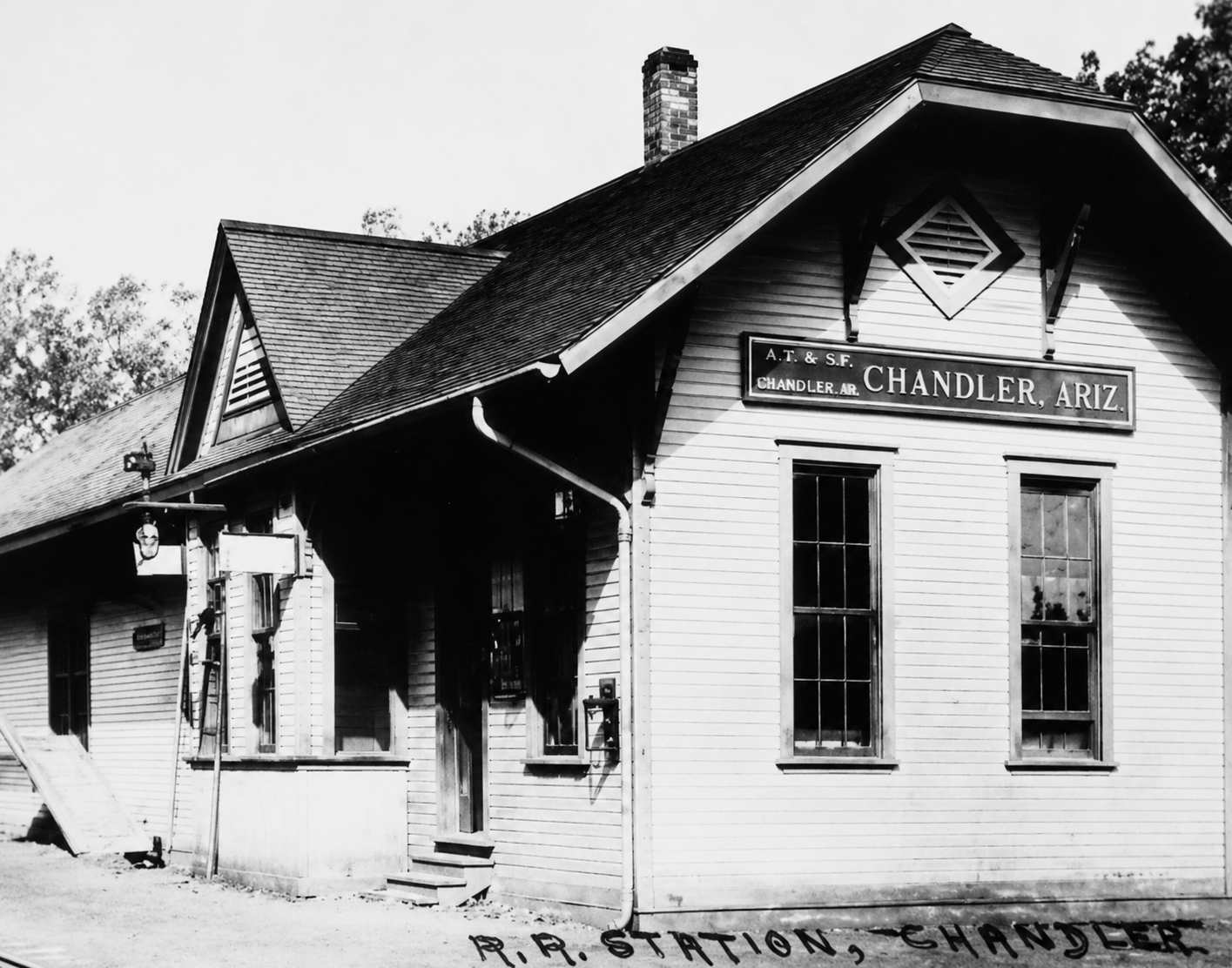
There was a man, Mr. Chandler, who kept a mercantile store—one of those places where news traveled faster than goods and a body could buy flour, nails, and a little bit of wisdom besides. He had set up shop in the community called Stillwater and was an important merchant therein. When the railroad came cutting through in 1880, it crossed his land, and the railroad men, being practical sorts, named the stop Chandler Station in recognition of the land owner.. Now that changed things.
Where The Roots Run Deep
Then my own grandfather, Floyd Copeland, set up a drugstore in the 1950s—another kind of gathering place for the community, where one could sit at the counter sipping a fountain drink through a straw.
Folks trusted the West Texan moved to his wife's hometown because of his soft smile, gentle, and caring ways that endured others to him.
Truth be told, the backbone of it all wasn’t just in the storefronts or the ledgers—it was in the women. Always has been. They were the ones putting up vegetables in jars, stitching quilts that held both warmth and story, raising children who knew the worth of a hard day’s work. My grandmother Juanita Reagan had a beauty shop connected to her house, and oh what a cook. My grandmother, Rachel Cade Copeland, stood in a classroom shaping young minds, which might be the most important farming there is. And her people… well, that’s where the roots run deep and that takes us to the genesis of the farm.
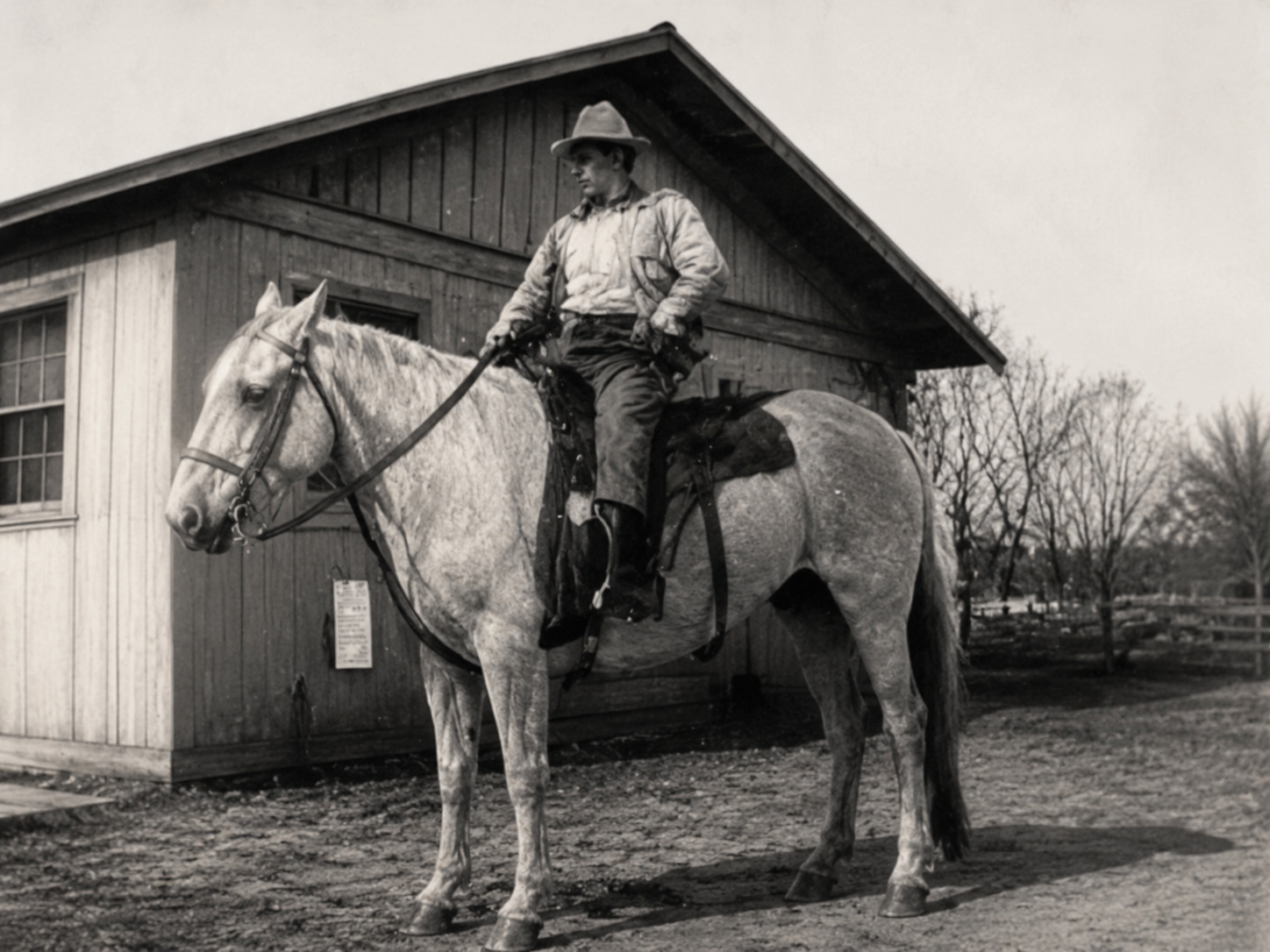
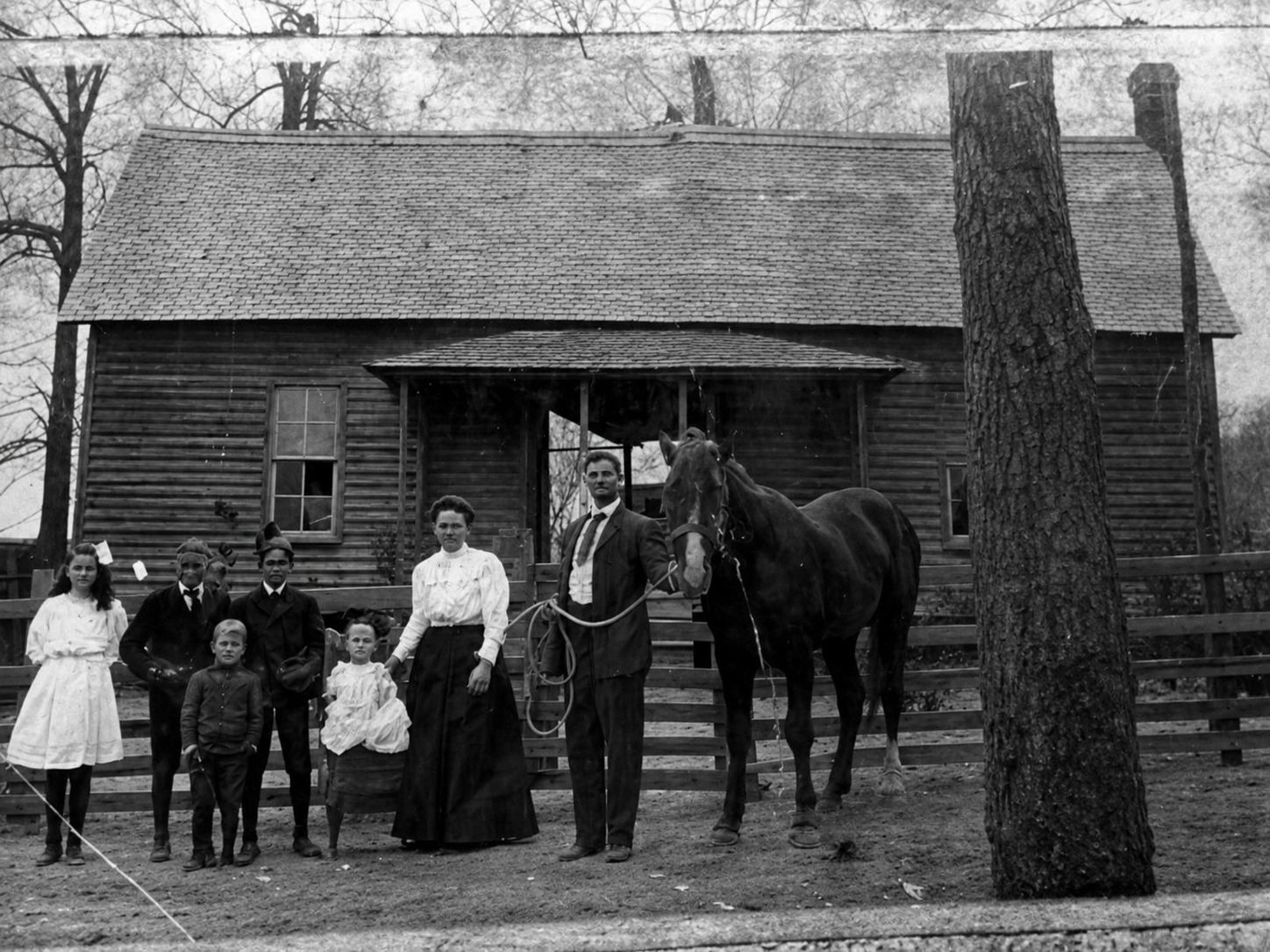
My grandmother Rachel Cade Copeland’s father, Erasmus Cade, had a mind for land and a heart that could see beyond a single season. In 1921, he bought sixty acres adjoining his wife Alice Safronia’ Fitzgerald's homeplace—she being the oldest child of the large Fitzgerald family, whose name was already written deep into that soil. He wanted her to have land she owned contiguous with where she was born. He planted pear trees, raised cattle and hogs, and worked the ground in that steady, faithful way that doesn’t make headlines but makes a life.
Where Work and Hope Walked Side by Side
Mr. Chandler, seeing what was coming like a farmer reading a cloudbank, laid out a proper town—made room for a schoolhouse, churches, and businesses.
And just like that, Stillwater gave way to Chandler, not with a fight, but the way old things often do—quietly, making room for what’s next. That was 1880 and no one balked at Stillwater morphing into Chandler.
By the turn of the century, Chandler was humming. Two cotton gins turning hard-earned harvest into livelihood, three tomato sheds full of red promise, and even a peach canning company putting up sweetness against the leaner times. It was the kind of place where work and hope walked side by side.
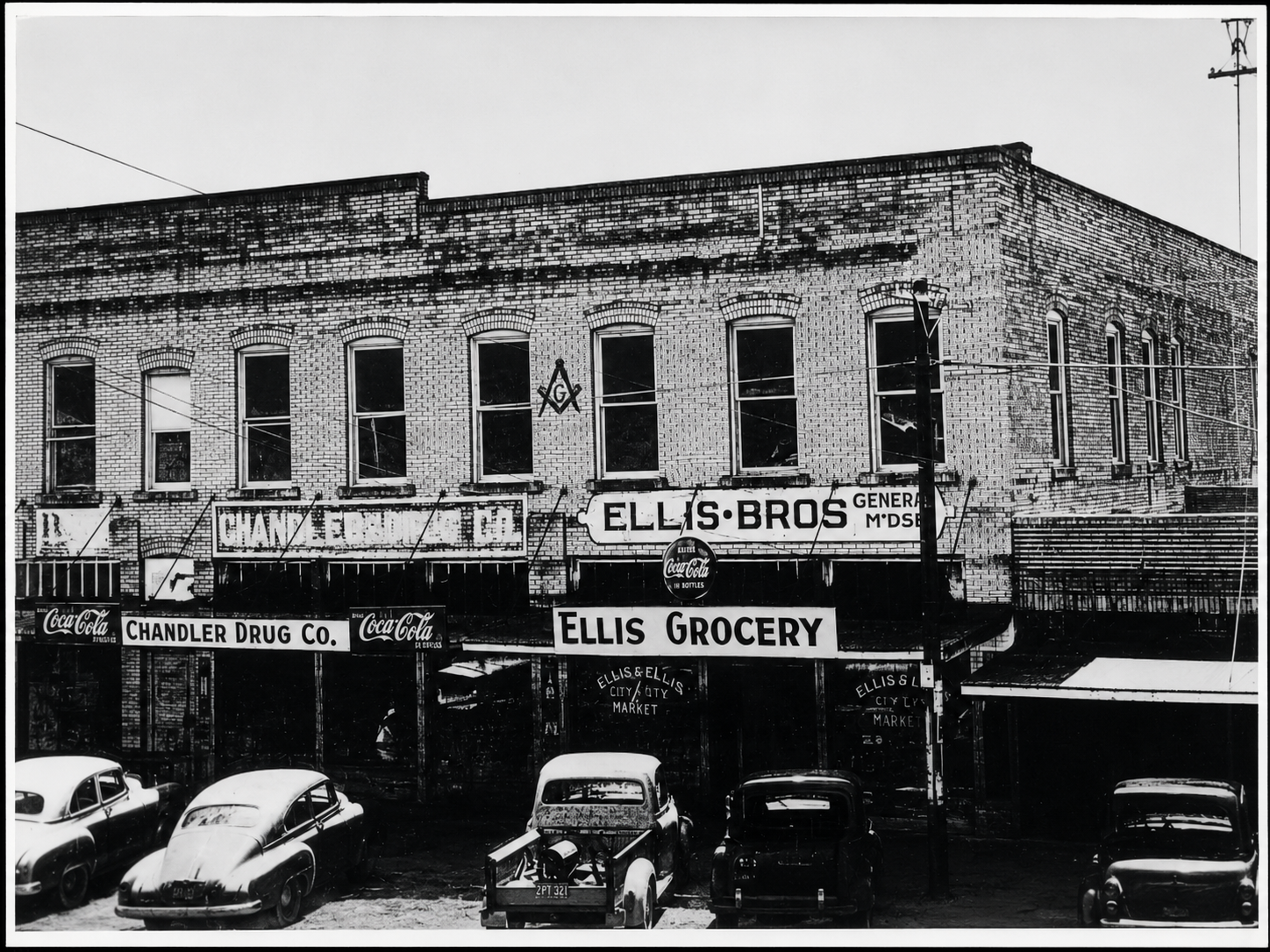
In 1920, my great-great-grandfather, Mank Ellis, and his family saw fit to move to Chandler from Edom a community a dozen miles away. His twin brother Mant made the move too, and they opened up Ellis Brothers Grocery. Just a store, you might say—but it was more than that. It was a meeting place, a lifeline, a steady hand in uncertain times. My great-grandfather, Corbett Ellis, took his turn behind that counter, alongside his cousin Clyde, carrying on what had been handed down. The Market Store that was started a decade ago and carries the name Stillwater Farm (Stillwater Farm Market Store) is but a shadow of what the Ellis brothers had now a century past, but it is less than a football field length away from today’s market store.
Stillwater Farm isn’t just dirt and fences and trees
It’s a gathering of lives lived close to the earth, of names spoken and forgotten and spoken again. It’s memory you can walk on and mind snapshots of picking fall Kieffer pears and shaking the wild muscadine vines for the fruit to fall to the soft pine needle covered earth unbruised and begging to be jelly. It's the calling of the cows, the feeding the hogs and the baling of the hay that creates unforgettable notes to a tune not lost to song.
Today the clover stands thick and green, like it has something to say if we’ll just slow down long enough to hear it. The still waters of the lake and ponds catch the sunlight and hold it, as if light itself needed a place to rest. The land—once pressed a little too hard by human hurry—is beginning to forgive us. You can see it in the soil, feel it under your boots. Healing has a look to it. And the animals know it before we do. Sometimes I think the best way to be a good ancestor is to farm the soil because it all starts with soil before there are pastures cared for in partnership with animals.
So when we call it Stillwater Farm, we’re not naming it after ourselves. We’re remembering. And maybe, if we tend it right, and carefully raise our pasture regenerating partners, the pigs, and other animals, we’re adding our own quiet line to a story that was never really ours to begin with. We borrowed it like a cup of sugar from the screen door of a neighbor in days gone by. You are welcome to visit the farm that is just north of Chandler about 2 miles on FM 2010. You can get the address, if you need it, from the Stillwater Farm Market Store. Just go in and tell one of ladies that you want to see some pastured pigs and all the trimmin’s.