Heritage Produce, Real Flavor.
To tell the story of heritage produce farming, you’ve got to get a running start at family, friendship, and the old neighbors who taught us that soil is more than dirt beneath your boots. A farm, if it is worth anything at all, is stitched together from memory as much as acreage.
Back in 2005, Tammy and I were given the opportunity to purchase land that once belonged to Daisy and Paul Young. They lived in the old farmhouse built in 1907, just across from what is now the entrance to Stillwater Farm. Daisy and my grandmother Rachel Cade Copeland, the second generation owner of the family homeplace, were dear friends. In the 1950s and ’60s they spent many summer mornings bent low in the dewberry patches gathering these wild blackberries for jams, pies, and the kind of fellowship that seems harder to come by these days.
Not long after, Tammy and I acquired another thirty acres from a neighboring family. Much of that ground had once been farmed by my great-great uncles, Taylor and Jim Fitzgerald, who raised onions, tomatoes, and roses there. We planted peach, plum, pecan, and fig trees in the lower portions where the red sandy loam rested close to the topsoil. On another six acres, where the clay settled a little deeper, we planted row crops—Noonday onions, potatoes, watermelons, okra, sugar cane, and tomatoes. The soil there would grow nearly anything if a person treated it with care and patience.
Today those same fields are moving toward a different rhythm. We plant in a no-till fashion now, with winter and summer cover crops that feed both the earth and the pigs rooting through it. The pecan orchard has become both shade and supper for the hogs, and the farm itself feels less like a machine and more like a living conversation between land, animal, and steward.
That brings me to the garden close beside the farmhouse kitchen. A single acre of good cultivated ground, tended with regenerative principles, can feed more than a family—it can feed a way of life. And when I think about that kind of farming, I think about my friend and gardening mentor, David “Buck” Nichols.
Buck and I share many convictions, but he is the true master gardener among us. He proves that farming is not about the size of your spread or the number of acres you can boast about. It is about careful planning, humility before nature, and like the writing of a good sermon, always keeping the end in mind. I like to say Buck grows a little of everything, but tomatoes are his ministry.
He starts his seedlings in the Cara Farms greenhouse and he and his spouse Tish (we were all seminary classmates) hold a yearly plant sale. Plants aren’t really sold, but donations are made and the proceeds always find their way toward some good and worthy cause. Every year I donate for plants grown by him. All the while I am hoping, little by little, to learn enough from my dear friend to someday manage a greenhouse of my own and imitate at least a portion of his wisdom.
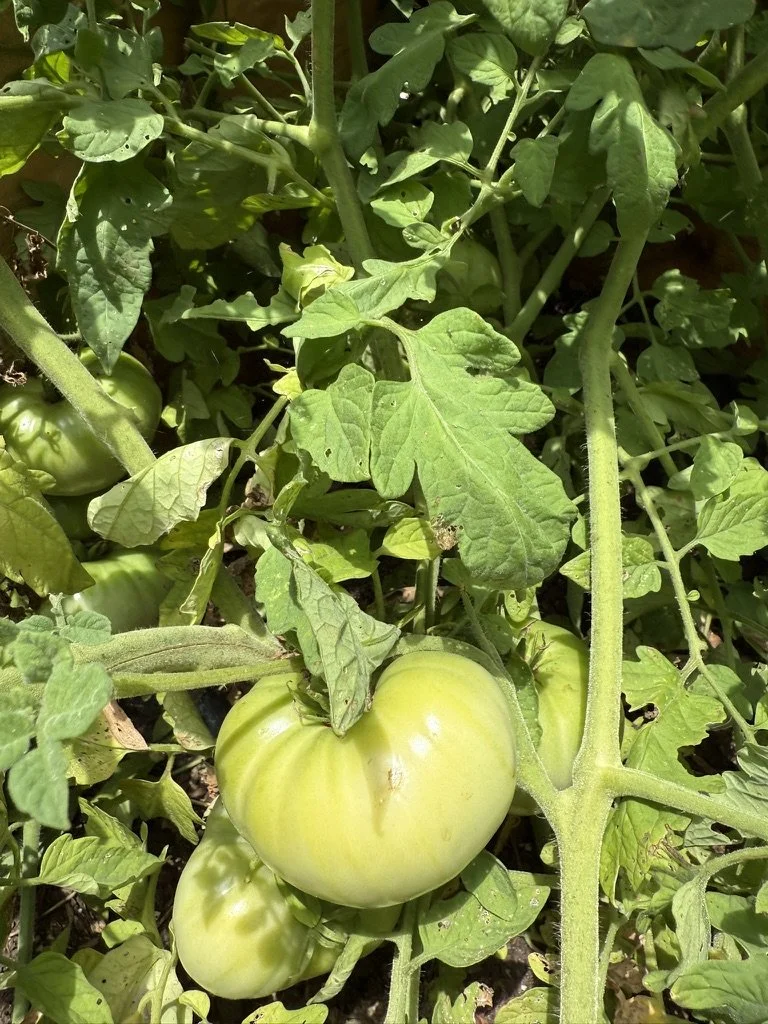
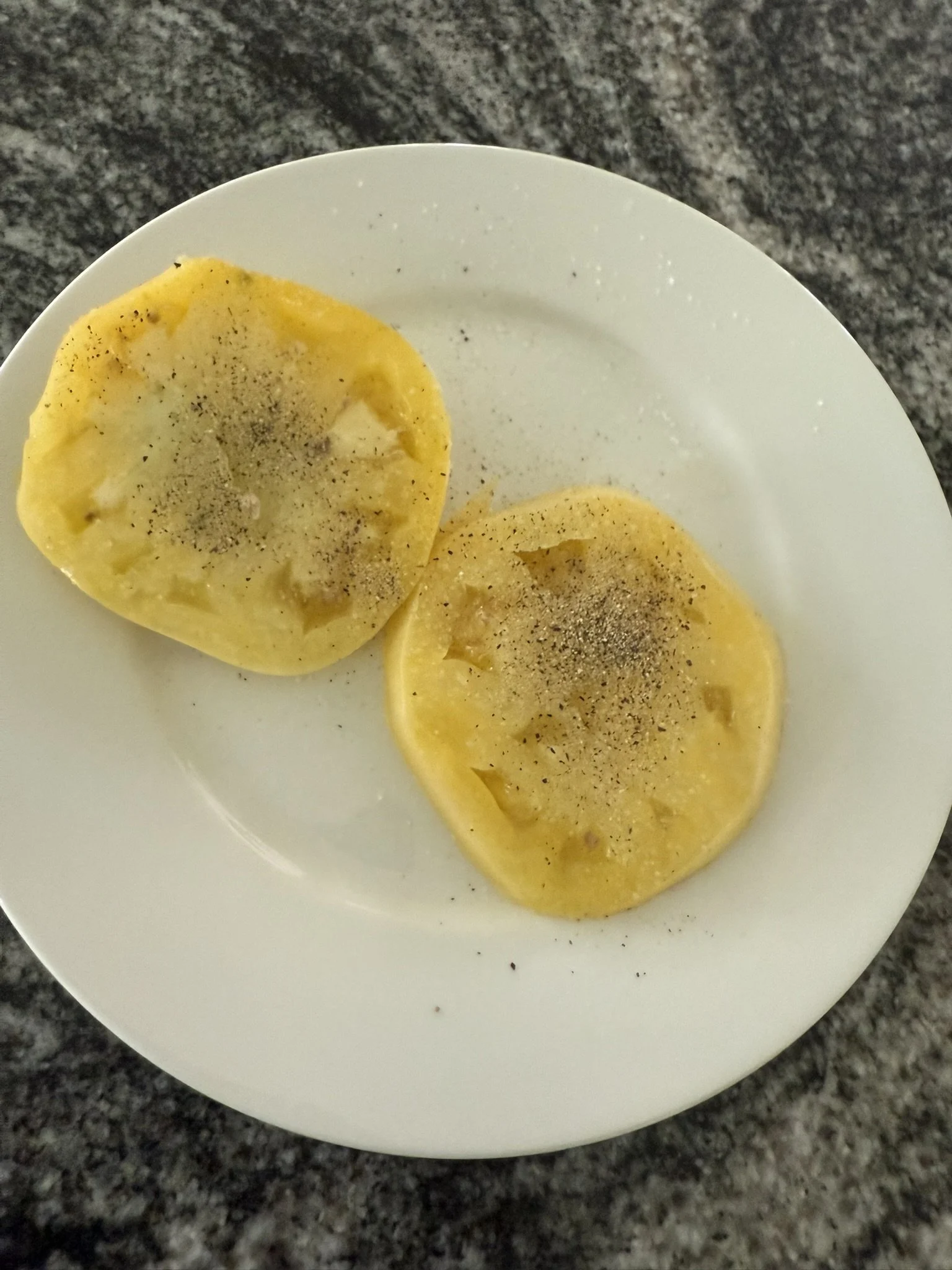
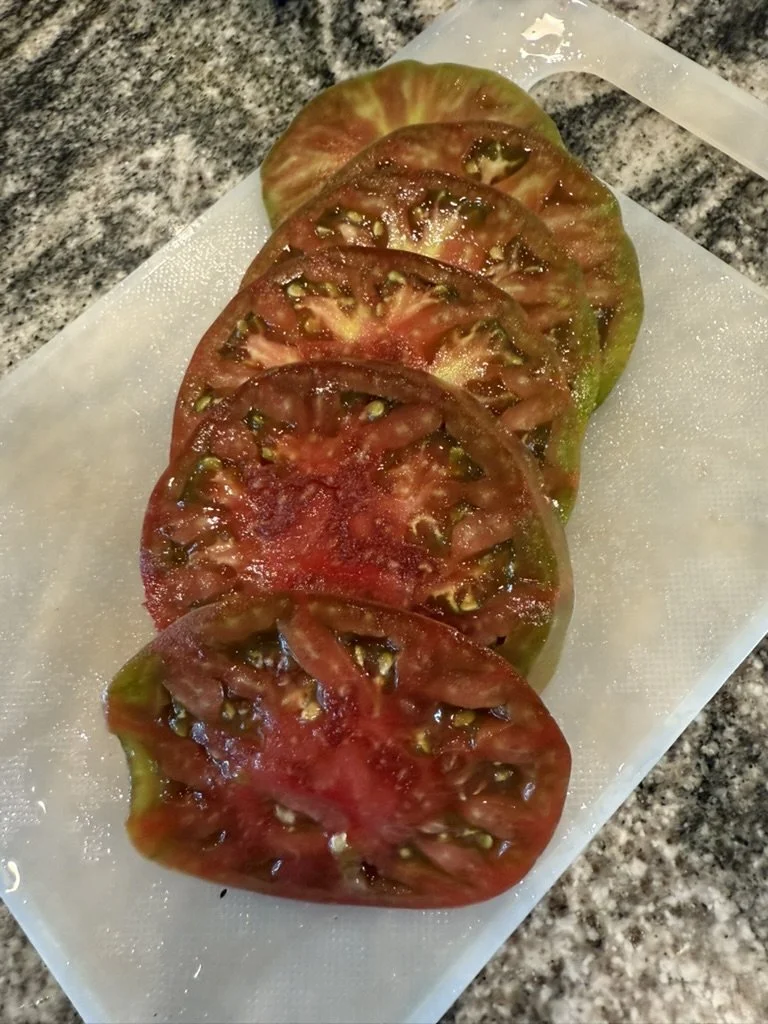
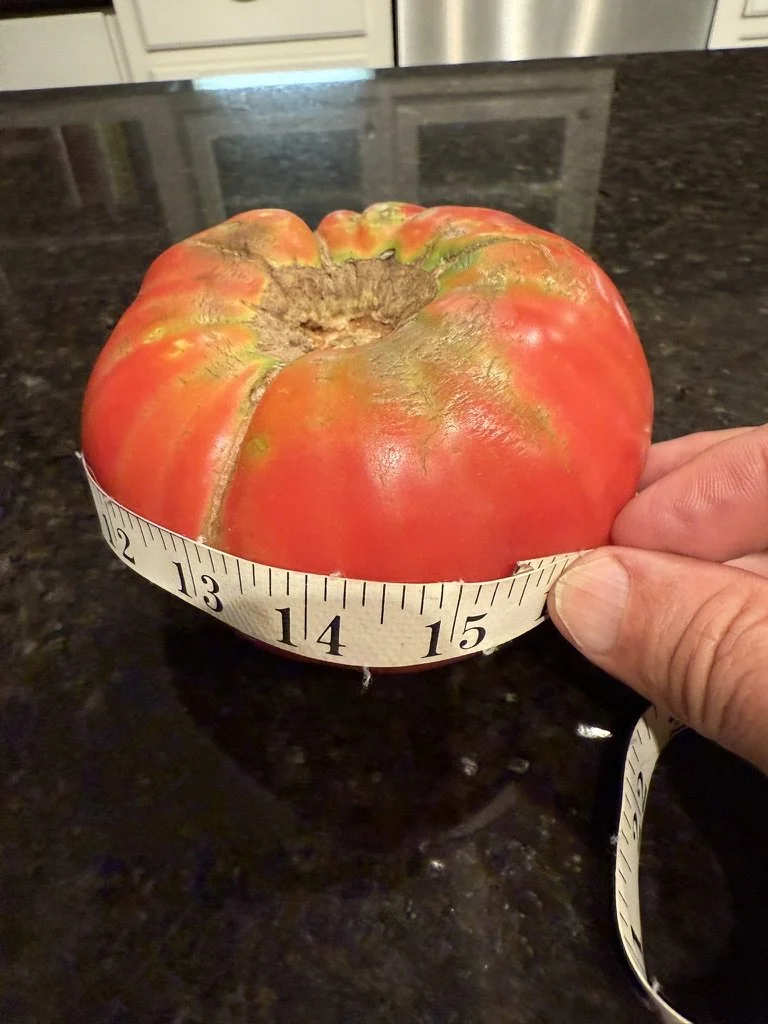
This year our garden holds tomatoes: Yellow Pink Hearts, Mortgage Lifters, San Marzanos, Asian Travelers, and Brandywines—heirloom varieties with names that sound more like old church members than vegetables. And maybe that is fitting, because heirloom gardening is a kind of congregation. It gathers people together in a shared pursuit of preservation, stewardship, and hope. To plant heirloom seed is to believe that somebody before you cared enough to save it. And to save seed yourself is to quietly declare that generations yet unborn matter too. In a world addicted to convenience and speed, that small act of preservation may be one of the holiest things a farmer can do.